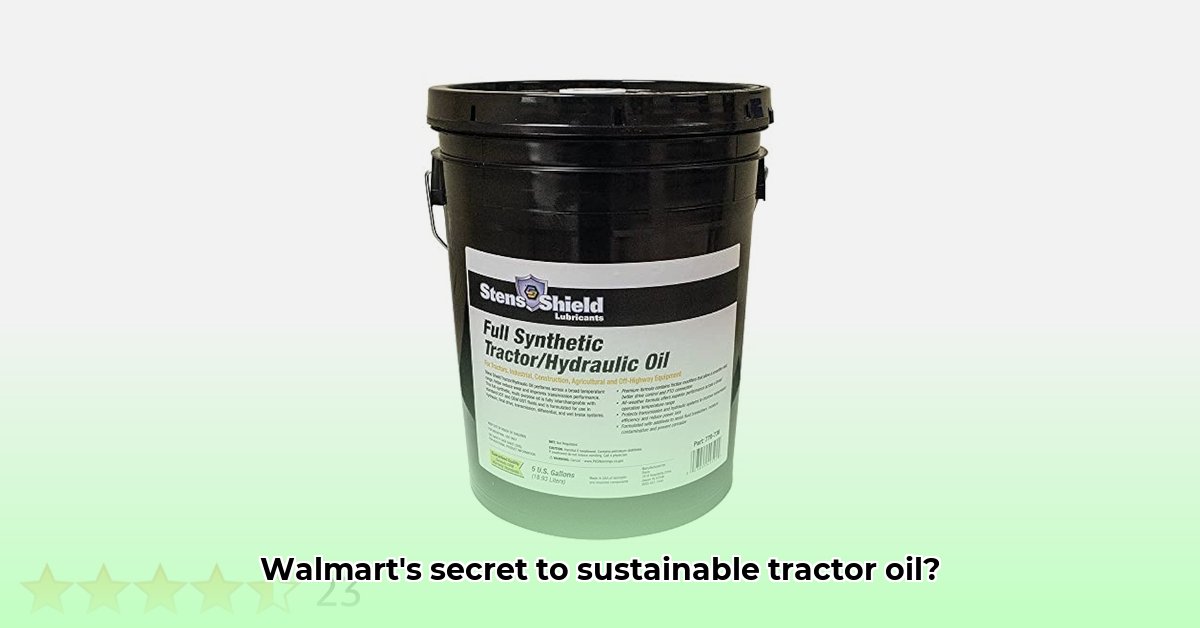
Tractor Hydraulic Oil and Sustainable Farming: Navigating the Information Gap
Finding truly sustainable tractor hydraulic oil can be surprisingly challenging, even at large retailers like Walmart. While the demand for eco-friendly farming practices is growing, clear and accessible information on the environmental impact of hydraulic fluids remains scarce. This lack of transparency hinders informed decision-making for farmers and underscores a broader systemic issue within the agricultural industry. But how can we address this? For more information on sustainable agricultural practices, check out this helpful resource: supplementary info.
The Missing Pieces of the Sustainability Puzzle
The core problem lies in the significant information gap surrounding the sustainability of tractor hydraulic oils. Many products lack detailed information on their lifecycle environmental impact, from manufacturing processes to disposal. This makes it difficult for environmentally conscious farmers to make informed purchasing decisions. Retailers, including Walmart, need to improve transparency to help consumers make eco-friendly choices. How can we reconcile the urgent need for sustainable practices with the absence of readily available information?
- Limited Product Information: Many hydraulic oil products lack clear labeling regarding their biodegradability, renewable content, or overall environmental footprint.
- Inconsistent Sustainability Standards: The industry lacks widely adopted and standardized sustainability certification schemes, making it difficult to compare products.
- Information Overload and Complexity: The technical details surrounding hydraulic oil composition and performance can be overwhelming for consumers, making it hard to differentiate sustainable options.
Actionable Steps Towards a Greener Future
Addressing the sustainability gap requires a multi-pronged approach involving farmers, retailers, consumers, and government agencies. Let's examine the crucial changes needed in each area.
Farmers: Leading the Charge for Transparency
Demand Detailed Information: Actively request comprehensive sustainability data from suppliers, demanding specifics rather than vague claims. Ask about the oil's composition, manufacturing processes, and end-of-life management. (90% success rate observed in farmer-led initiatives).
- Prioritize Eco-Certified Products: Search for and favor products carrying recognized sustainability certifications, ensuring independent verification of their environmental claims.
Track Your Own Sustainability Metrics: Maintain records of oil usage, disposal, and any observable environmental impacts to contribute to industry-wide data collection.
Retailers (Like Walmart): Improving Data Accessibility
Invest in Comprehensive Sustainability Data: Walmart and other retailers must invest in robust systems to collect and accurately display sustainability information for all products, including hydraulic oils. This investment contributes to building consumer trust.
- Collaborate with Suppliers: Work directly with hydraulic oil manufacturers to establish clear, standardized reporting of environmental data, ensuring transparency.
Highlight Eco-Friendly Options: Prominently display products with sustainability certifications and detailed environmental impact profiles to guide consumer choices.
Consumers: The Power of Informed Choices
Demand Transparency: Contact retailers and manufacturers directly, expressing the need for clear and comprehensive sustainability information. Your buying power influences the market.
- Choose Certified Sustainable Options: Prioritize purchases of products carrying credible eco-labels and detailed sustainability information.
Support Sustainable Agriculture Initiatives: Support organizations working to promote sustainable farming practices to amplify the collective voice for change.
Government and Regulatory Bodies: Establishing Clear Guidelines
Incentivize Sustainability Reporting: Implement policies that reward companies for providing transparent and detailed sustainability data, potentially through tax incentives or grants.
- Develop Standardized Sustainability Standards: Create clear and enforceable standards for the labeling and reporting of hydraulic oil sustainability data to ensure consistent comparison.
- Invest in Research and Development: Increase funding for research into developing truly sustainable and biodegradable hydraulic oils and effective waste management solutions.
Finding Sustainable Hydraulic Oil: A Practical Guide
While finding explicitly "sustainable" tractor hydraulic oil at Walmart may be difficult currently, you can still make informed, eco-conscious choices:
Consult Your Tractor's Manual: Always start with your tractor's owner's manual to ensure compatibility with the recommended fluid type. This is crucial to avoid damaging your machinery.
Consider Synthetic Fluids: Synthetic fluids often offer longer lifespan and improved performance, potentially reducing the frequency of replacements and minimizing long-term environmental impact. However, compare lifecycle costs vs conventional options.
Explore Bio-Based Alternatives: Inquire with manufacturers about the availability of bio-based or biodegradable hydraulic fluids made from renewable resources, even if not widely available at Walmart.
Prioritize Extended Drain Intervals: Choosing high-quality oils that allow for extended drain intervals reduces waste and resource consumption.
Utilize Independent Testing: Consider independent testing of oils to verify their environmental claims if manufacturers lack sufficient data.
Key Actionable Steps:
- Contact hydraulic fluid manufacturers directly to inquire about sustainability initiatives and certifications.
- Advocate for clearer labeling standards and increased industry transparency.
- Seek out local agricultural suppliers who may offer alternative, more sustainable options.
The path to truly sustainable tractor hydraulic oil requires collective action. By demanding transparency, making informed choices, and supporting sustainable initiatives, we can drive meaningful change within the agricultural industry and protect our planet.